
Generalized Anxiety Disorder is among the most common mental health diagnoses in the US, however it can be difficult to know the best treatment path since each individual can have a different presentation of anxiety. Resilience is a skill of being able to return to the level you were at before an activating event happened. When we look at anxiety treatment it is important to consider resilience as an asset in anxiety treatment.
Resilience is a skill we can build up by using different tools, so we are going to look at a helpful set of instructions on how to build patterns of resilience to use with anxiety. This, along with the support of a therapist, can help build some skills to help us when anxiety comes through in our lives.
Learn where the anxiety is coming from
It is important to learn what the anxiety is being fueled by. When we learn where the root of anxiety is, we can start to address the anxiety and find methods to help treat it.
If we want to start figuring out what is making us anxious, it is important to acknowledge what anxiety feels like in our bodies. Does your stomach hurt? Does your head start to feel dizzy? These traits can help us figure out how our anxiety is physicalized.
If you are having a hard time figuring out what is making you anxious, it can be good to look at everything around you. When you notice the cues from your body of anxiety, you can begin to identify patterns in order to identify what triggers this experience for you.
Do you get anxious when you go to a certain place? Is there a certain type of situation like work/school or busy places that make you more stressed? If you are still struggling it can be helpful to write down or make a voice note of what the situation looked like when you were anxious.
Implement new tools
The next step is to add new tools to your routine. It may take trying a few different tools to find the one that fits for you. It can be really helpful to talk to your therapist about what may be helpful for anxiety.
Here is what this could look like:
“I start to get stressed out when I go into a busy grocery store on Saturday mornings. I don’t know why but once I am around a lot of people there, I start to panic.”
Your therapist can help you with suggestions such as taking deep breaths as you enter the store, or wearing ear plugs to help reduce some of the overstimulation. Once we implement these skills, it can be helpful to make it part of our regular routine to prevent undue anxiety.
Connect with others
Another great tool is connecting with the people around us. Sometimes if we have a period of anxiety, it can be hard to try and keep up relationships with people we care about. It is good to try and keep in touch with our close ones because connecting with others can help us feel better.
Other skills to keep in mind
Another part of building resilience is taking care of our mental well being. It is important to have parts of our lives that help our brains feel happy and fulfilled. This can come out in different skills: like engaging with hobbies, exercising, or using different skills to increase mindfulness such as journaling or meditation.
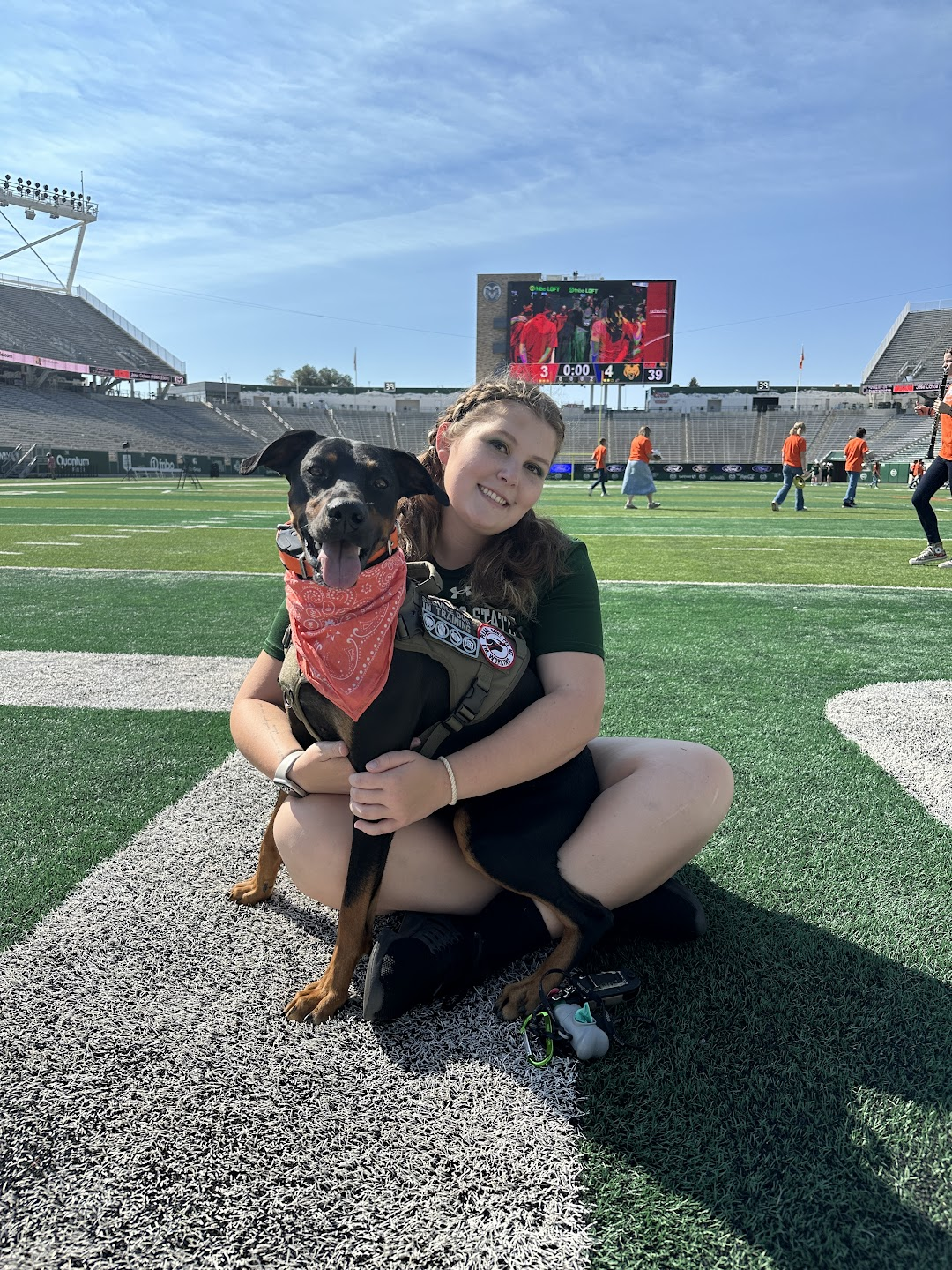
Ellie Staples
Ellie is an undergraduate intern for Flourish Counseling & Wellness. She is currently a fourth-year student at Colorado State University, majoring in psychology with a concentration in clinical counseling.
Ellie hopes to continue her education in graduate school this fall with a goal of becoming a licensed therapist working with children and adolescents.
Remington is a 2.5 year old medical alert service dog. He has been doing service work for the last year and a half, and he hopes to one day to add therapy dog to his list of skills.
