

Burnout: How to Recognize It, Recover from It, and Prevent It
Burnout is one of the most common mental health challenges people face today — and one of the most misunderstood. If you've been feeling chronically exhausted, emotionally drained, or disconnected from work and life, you may be experiencing burnout. Understanding the signs of burnout and learning evidence-based strategies for burnout recovery can help you reclaim your energy, wellbeing, and sense of purpose.

How to Communicate Better With Your Partner During Conflict
Communication in relationships can be scary. When conflict arises, we often feel stressed, defensive, and vulnerable. With proper communication skills, we can turn a challenging situation into one where we grow closer to our partner and feel truly heard.

Screen Time and Mental Health: How Technology Is Affecting Your Anxiety, Depression, and Loneliness
Technology allows us to be more available, more “connected”, and gives us all the information we could need at our fingertips. While we are still learning about the long-term effects of increased technology usage, we can analyze trends that point to a probable link between increased anxiety, depression, suicidal ideation, and loneliness that comes with technology use.
Beyond the Numbers: Why Autism Is Being Diagnosed More Than Ever — And What It Means for All of Us
If you've noticed that more people in your life seem to be identifying as Autistic (a family member, a colleague, maybe even yourself) you're not imagining it. Autism diagnoses have risen significantly over the past two decades, and that trend continues today. As a therapist, I'm often asked: "Is Autism actually becoming more common, or is something else going on?"
The answer is nuanced and worth exploring.
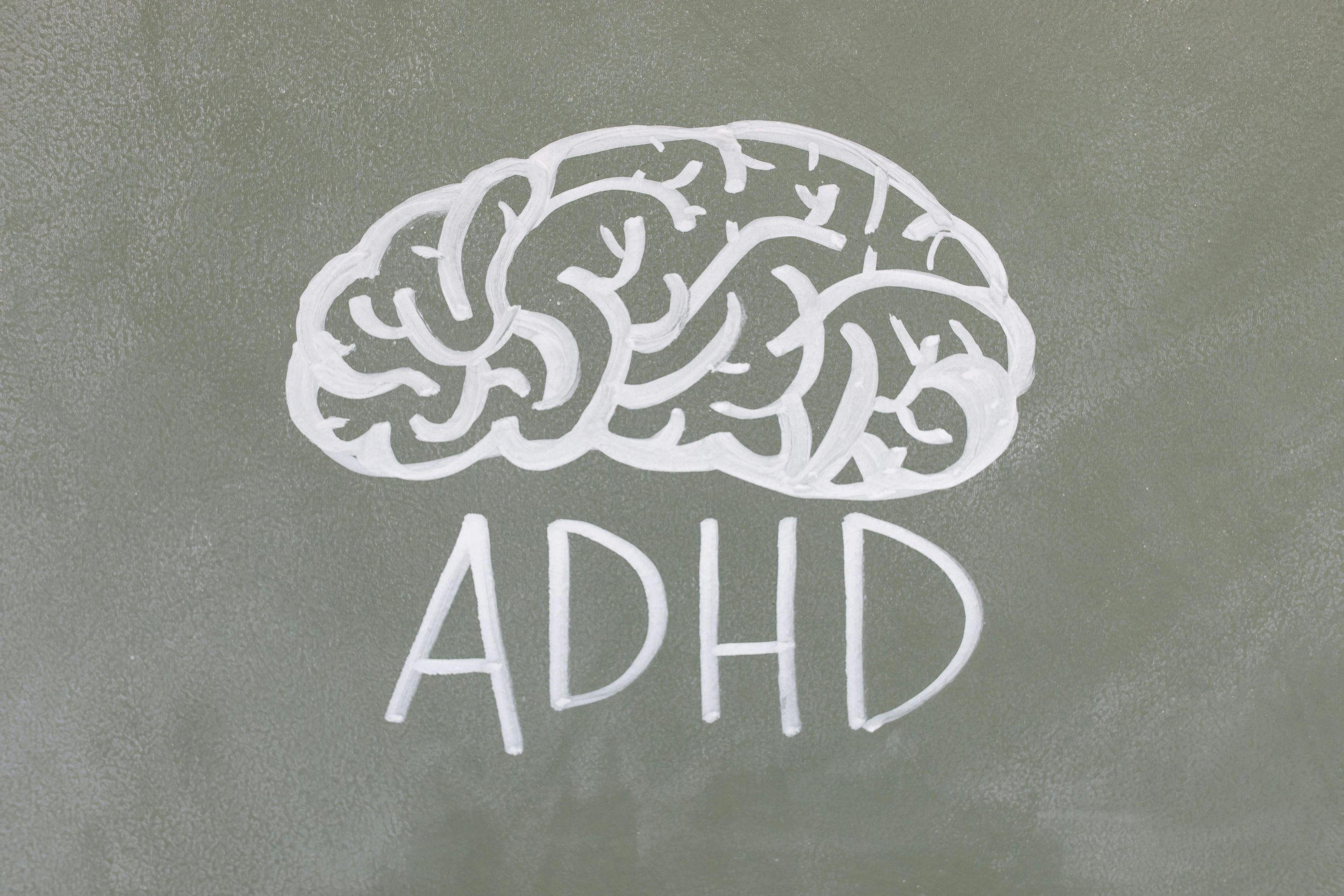
How ADHD Shows Up in Adults: Common Symptoms and Practical Coping Strategies
Understanding ADHD symptoms in daily life and simple strategies to improve focus, organization, and productivity.
Over 11 million American adults struggle with ADHD. You may understand the difficulty of avoiding distractions, staying organized, and coping with overactivity and focus challenges. The lack of mental focus and increased restlessness can make achieving mundane, everyday tasks incredibly difficult. So how can you increase your productivity and your personal satisfaction with your ability to manage your tasks?
How to Bring Up Self-Harm in Therapy: A Compassionate Guide to Talking About Non-Suicidal Self-Injury
If you’re searching for help with self-harm or non-suicidal self-injury (NSSI), you are not alone. Many people struggle with urges to hurt themselves as a way to cope with overwhelming emotions, trauma, anxiety, shame, or numbness. And one of the hardest steps can be figuring out how to bring it up in therapy.
As a trauma therapist, I want you to hear this clearly: you are not “too much,” “too broken,” or “attention-seeking.”Self-harm is often a coping strategy developed during times of deep distress. It deserves understanding and care, not judgment.
This guide will help you understand what self-harm is, why it happens, and how to talk about it with your therapist in a way that feels manageable and safe.

Saturday Spotlight: Cassie Thomas, LPC, EMDR Certified Therapist
Join us every Saturday in February as we spotlight the wonderful providers on our team. Today we are featuring Cassie Thomas, LPC, EMDR Certified Therapist. Waitlist Only.

Saturday Spotlight: Alison Shimoda, LPC
Join us every Saturday in February as we spotlight the wonderful providers on our team. Today we are featuring Alison Shimoda, LPC. Now accepting new clients!

Healing Happens in Connection: How Community Supports Mental Health
Social connection and community engagement is vital to our mental and physical well-being.
In a digital and isolated age of social media and constant “hustling”, we often push this to the side or forget about it altogether. Being with friends, family, and community fosters feelings of belonging, value, and love in our lives. The emotional and physical support that comes alongside meaningful social connections helps us lead happier, healthier lives.

Saturday Spotlight: Anna Grace Boyd, Clinical Intern
Join us every Saturday in February as we spotlight the wonderful providers on our team. Featuring Anna Grace Boyd, Clinical Intern. Now accepting new clients at a reduced rate!

Attachment Styles Explained: How Trauma Shapes Relationships and How to Heal
Attachment style refers to the type of bonds we were taught to form with key people in our lives. It starts when we are children, with our primary caregivers, and often shows up later in life in our adult relationships.

Saturday Spotlight: Lacey Fivecoat, LCSW
Join us every Saturday in February as we spotlight the wonderful providers on our team. Up first - Lacey Fivecoat, LCSW. Now accepting new clients!

How Therapy Can Help with Low Self-Esteem
Low self-esteem is far more common than people may realize. It often shows up quietly, whether through persistent self-doubt, harsh inner criticism, people-pleasing, difficulty setting boundaries, or a deep sense of “never being enough.” For many, these beliefs didn’t appear overnight. They were shaped over time through relationships, life experiences, cultural messages, and moments when support or validation was missing.

Building a Balanced Life: When Your Surroundings Support Your Healing
Environmental wellness encompasses both the natural world around us and the spaces we inhabit at home and work. It invites us to thoughtfully examine our environments, recognizing not only their benefits but also their drawbacks. Consider how your interactions with these spaces influence your overall well-being.

Building a Balanced Life: Honoring Creativity and Curiosity through Intellectual Wellness
When we think about wellness, we often focus on emotional, physical, or social health. Yet intellectual wellness (one of SAMHSA’s 8 dimensions of wellness) plays a vital and often overlooked role in healing, especially for individuals with trauma histories. Intellectual wellness is not about academic achievement or productivity. Rather, it is about nurturing curiosity, recognizing creative abilities, and expanding knowledge in ways that feel safe, meaningful, and empowering.

Building a Balanced Life: The Interconnected Nature of Physical Wellness
Holistic wellness. It isn’t just a buzzword in our society that you may have heard. Understanding and attending to your whole person - body, mind, and spirit - is vital to your overall wellbeing. Your body, mind, and spirit operate through an interconnectedness that we often do not consider when we go through the motions of daily life. Physical activity, nutrition, and sleep are all impactful on mental and emotional health. You are not isolated parts; you are one, whole, and beautiful system.

Building a Balanced Life: Occupational Wellness in an Imperfect System
Within SAMHSA’s 8 Dimensions of Wellness, occupational wellness is defined as personal enrichment and satisfaction derived from work. Importantly, this dimension does not exist in isolation. Our experience of work is deeply intertwined with other dimensions such as emotional, financial, social, and physical wellness. Occupational wellness is not about romanticizing labor. It is about understanding how work supports or strains our overall well-being.

Building a Balanced Life: Expanding Purpose & Meaning through Spiritual Wellness
Spiritual wellness is one of SAMSHA’s 8 dimensions of wellness. This realm of wellness emphasizes expanding one’s sense of purpose and meaning through spiritual engagement. As we speak about this realm of wellness, it is vital to emphasize that “spirituality” does not have to mean religion; instead, it can be anything that helps someone feel grounded, connected or purposeful.

Building a Balanced Life: Nourishing Yourself through Social Connection
Social wellness refers to our ability to build, maintain, and engage in healthy relationships with family, friends, and our broader community. It also reflects our capacity for empathy, connection, and care for others. When we intentionally invest in our social wellness, we cultivate a sense of belonging, support our emotional well-being, and strengthen meaningful connections. Research shows that strong social ties can lower cortisol levels, enhance self-esteem, and help us feel more resilient when navigating life’s challenges.
Building a Balanced Life: Trauma-Informed Financial Wellness
When people think about mental health, they often imagine emotions, relationships, and stress—not budgets, bills, or bank accounts. But financial wellness is one of the SAMHSA 8 Dimensions of Wellness for a reason. Our relationship with money deeply shapes our stress levels, sense of stability, and long-term wellbeing.
This is why Financial Wellness is included in the SAMHSA 8 Dimensions of Wellness. It’s not simply a practical category; it’s an emotional and relational one.